


Understanding Thai Social Norms
Thailand's culture is built on concepts of face, hierarchy, and harmony. Losing your temper in public — even when justified — is considered a serious social failure. Thais value jai yen (cool heart) over confrontation. For retirees accustomed to direct Western communication styles, adapting to this indirect approach takes practice but ultimately leads to smoother daily interactions and deeper relationships.
Respect for the Monarchy and Religion
The Thai monarchy and Buddhist religion hold deeply revered positions in society. Lese-majeste laws are strictly enforced and apply to foreigners. In practice, this simply means showing the same respect you would expect in any sacred context: standing for the royal anthem before cinema screenings, speaking respectfully about the royal family, and behaving appropriately in temples.
Temple Etiquette
Chiang Mai has over 300 Buddhist temples, and visiting them is one of the great pleasures of life here. Cover your shoulders and knees, remove shoes before entering buildings, never point your feet toward a Buddha image, and sit lower than monks. Women should never touch a monk or hand anything directly to one — place items on a cloth or surface for the monk to pick up.
Daily Courtesies
The wai — pressing your palms together at chest level with a slight bow — is Thailand's greeting. As a foreigner, you are not expected to initiate the wai, but returning one when offered is appreciated. Remove shoes when entering homes and many shops. The head is considered sacred and the feet the lowest part of the body — never touch someone's head or point your feet at people or religious objects.
Learning Basic Thai
While English is widely spoken in tourist and expat areas, learning basic Thai phrases transforms your daily experience. Sawadee khrap/kha (hello), khop khun khrap/kha (thank you), and mai pen rai (no worries) go a long way. Many retirees take Thai classes at Chiang Mai University's language program or through private tutors, finding that even basic conversational Thai opens doors to genuine local friendships.
Food Culture
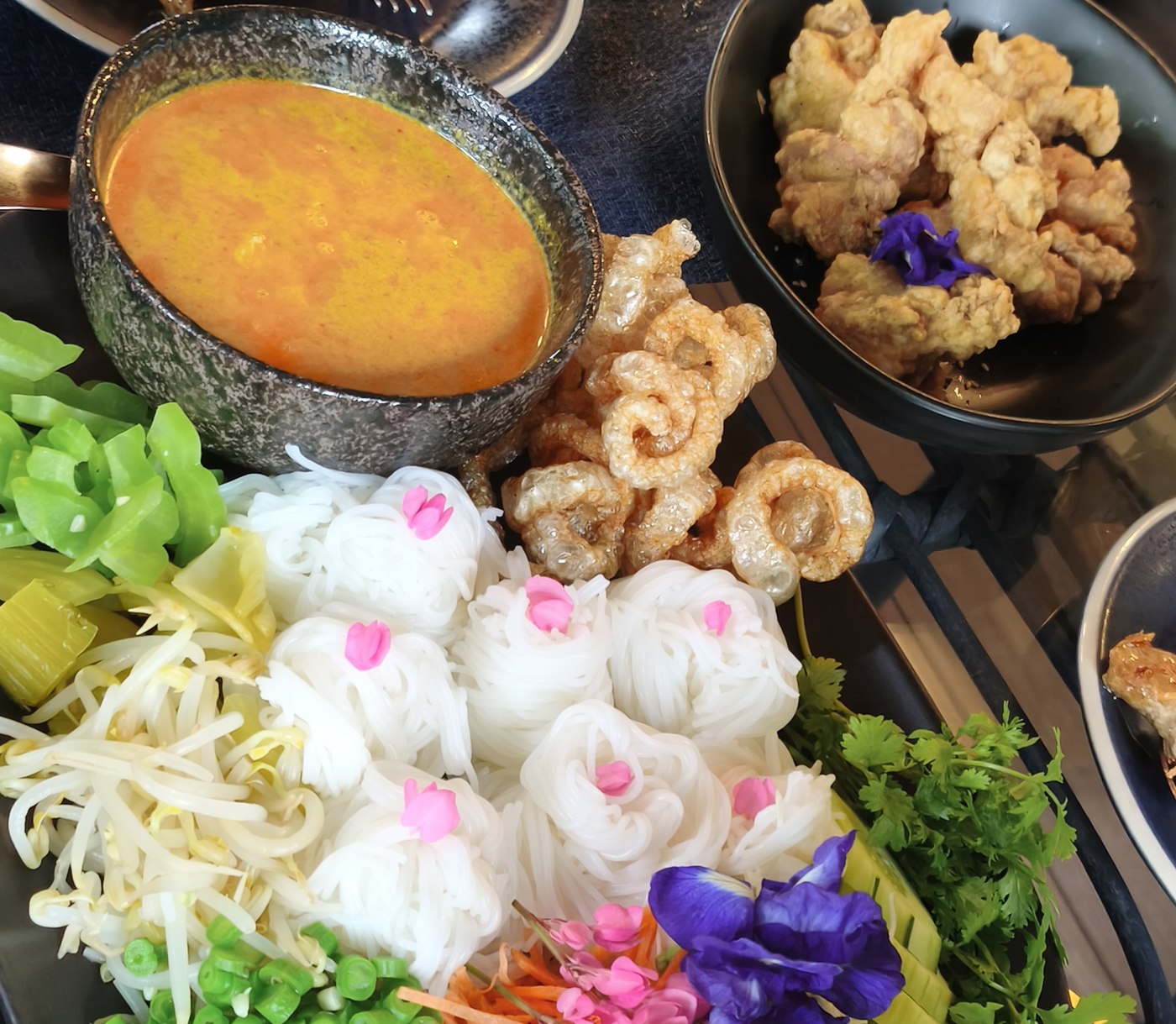
Meals in Thailand are communal. Dishes arrive as they are ready, not all at once, and are shared family-style. It is polite to take small portions and try a little of everything. Chopsticks are used mainly for noodle dishes — most Thai food is eaten with a fork and spoon, with the spoon as the primary utensil and the fork used to push food onto it.
Cultural orientation is part of our relocation support package.
Explore Our Services